Delving into the captivating world of Bauhaus interior design, this article provides a comprehensive overview of its origin, key principles, and significance in modern design trends. Get ready to uncover the essence of Bauhaus style in interior decor!
From iconic furniture pieces to innovative lighting techniques, the following sections will unravel the core elements that define Bauhaus interior design.
Introduction to Bauhaus Interior
Bauhaus interior design is a style that originated from the Bauhaus School of Design in Germany in the early 20th century. It is characterized by its minimalistic approach, clean lines, geometric shapes, and functionality.
Origin and Key Principles of Bauhaus Interior Design
The Bauhaus School of Design was founded by Walter Gropius in 1919 in Weimar, Germany. It aimed to bring together fine art and craftsmanship and create a new design aesthetic that was both functional and visually appealing. The key principles of Bauhaus interior design include:
- Form follows function: Objects should be designed based on their intended function, with no unnecessary ornamentation.
- Minimalism: Simplified forms, clean lines, and geometric shapes are prominent in Bauhaus interior design.
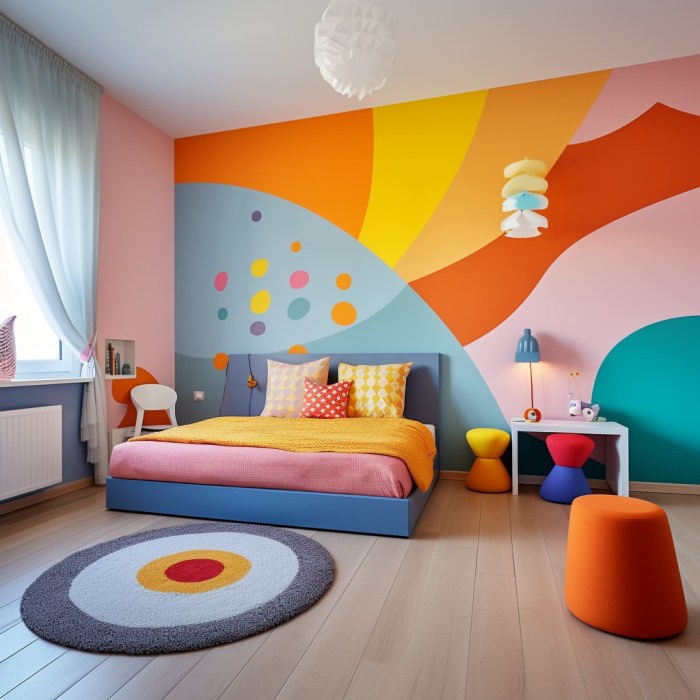
- Use of primary colors: Bauhaus design often incorporates primary colors like red, blue, and yellow, used in bold and contrasting ways.
- Integration of art and technology: The Bauhaus School aimed to merge art and technology in design, creating innovative and practical solutions.
Significance of Bauhaus Style in Modern Interior Design
The Bauhaus style has had a lasting impact on modern interior design, influencing many contemporary designers and architects. Its emphasis on functionality, minimalism, and the use of simple geometric forms continues to be prevalent in interior design today. Bauhaus design principles have paved the way for the creation of sleek, efficient, and aesthetically pleasing spaces that prioritize both form and function.
Key Elements of Bauhaus Interior
Bauhaus interior design is known for its unique characteristics that have influenced modern design principles. Let's explore the key elements that define Bauhaus interiors.
Minimalism and Functionality
Bauhaus interior design is characterized by minimalism and functionality. Clean lines, simple shapes, and a focus on practicality are key aspects of this design style. Furniture pieces are often sleek and unadorned, serving their purpose without unnecessary ornamentation.
Geometric Shapes and Forms
Geometric shapes play a significant role in Bauhaus interior design. From furniture to architectural elements, Bauhaus spaces often feature angular shapes and forms that create a sense of order and structure. Rectangles, squares, and circles are commonly used to define the space.
Color Palette
The color palette in Bauhaus interiors is typically neutral and monochromatic, with an emphasis on primary colors such as red, blue, and yellow. These bold hues are often used in combination with black, white, and shades of gray to create a visually striking contrast.
Materials: Steel, Glass, Concrete
Bauhaus design incorporates industrial materials like steel, glass, and concrete to achieve a modern and minimalist look. These materials are often left exposed, showcasing their raw and functional qualities. Steel frames, glass partitions, and concrete floors are common elements in Bauhaus interiors.
Furniture and Decor in Bauhaus Interior
Bauhaus interior design is characterized by iconic furniture pieces that reflect the principles of the movement. These pieces not only serve a functional purpose but also embody the innovative and minimalist aesthetic of Bauhaus design.The Bauhaus philosophy heavily influenced furniture design, emphasizing the importance of merging form and function.
This approach led to the creation of furniture that was both visually striking and practical, showcasing clean lines, geometric shapes, and a focus on simplicity.
Iconic Furniture Pieces
One of the most famous pieces associated with Bauhaus design is the Wassily Chair, designed by Marcel Breuer. This chair features a tubular steel frame and leather seat, showcasing a perfect balance between form and function. Another iconic piece is the Barcelona Chair, designed by Ludwig Mies van der Rohe and Lilly Reich, known for its sleek design and luxurious materials.
Form Follows Function in Bauhaus Furniture
In Bauhaus furniture, the concept of "form follows function" is evident in every design. This principle means that the shape and appearance of an object should be dictated by its intended function. Bauhaus designers prioritized functionality above all else, resulting in furniture pieces that were not only visually appealing but also practical and efficient.Overall, Bauhaus furniture and decor are characterized by their timeless design, innovative use of materials, and commitment to simplicity and functionality.
Color Theory in Bauhaus Interior Design
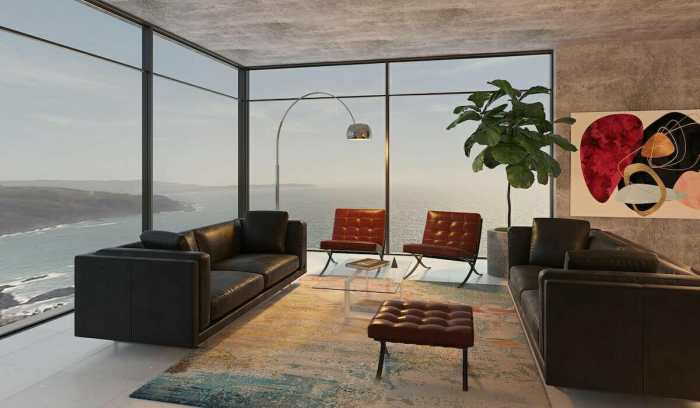
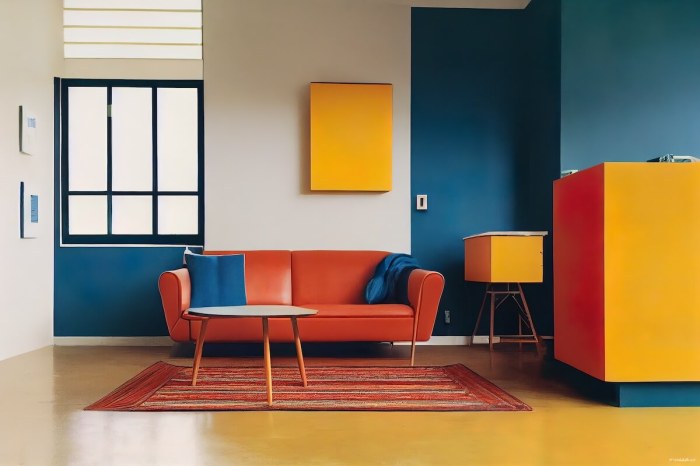
Color plays a crucial role in Bauhaus interior design, as it is used to create visual interest, harmony, and balance within a space. The color schemes in Bauhaus interiors are known for their use of primary colors and bold contrasts to achieve a modern and dynamic look.
Primary Colors and Bold Contrasts
In Bauhaus interiors, primary colors such as red, blue, and yellow are often used prominently to add vibrancy and energy to the space. These colors are usually applied in their purest form without any shading or mixing, emphasizing their bold and impactful presence.The use of bold contrasts is another key aspect of Bauhaus color schemes.
Sharp contrasts between primary colors or between colors and neutral tones create a dynamic visual impact that grabs the viewer's attention. This contrast adds depth and dimension to the space, making it visually stimulating and engaging.
Impact of Color Choices
Color choices in Bauhaus interiors have a significant impact on the overall look and feel of the space. The use of primary colors and bold contrasts creates a sense of modernity, creativity, and innovation, reflecting the core principles of the Bauhaus movement.Additionally, color choices can influence the perception of space, with certain colors making a room appear larger or smaller, brighter or darker.
By strategically incorporating color into the design, Bauhaus interiors can evoke different moods and emotions, enhancing the overall experience for the occupants.
Lighting in Bauhaus Interior
Lighting plays a crucial role in Bauhaus design, as it not only illuminates the space but also enhances the overall aesthetic and functionality of the interior.
Importance of Lighting in Bauhaus Design
In Bauhaus interiors, lighting is considered an essential element that complements the geometric shapes and forms of the furniture and decor. It helps to create a harmonious balance between light and shadow, emphasizing the simplicity and functionality of the design.
Innovative Lighting Techniques in Bauhaus Interiors
- Bauhaus designers often incorporated innovative lighting techniques such as recessed lighting, track lighting, and pendant lights to create a modern and minimalist look.
- Light fixtures were designed with clean lines and geometric shapes to complement the overall Bauhaus aesthetic.
- Color temperature and intensity of light were carefully considered to enhance the materials used in Bauhaus interiors, such as steel, glass, and chrome.
Enhancing Geometric Shapes and Forms with Lighting
- Lighting in Bauhaus interiors is strategically placed to highlight the geometric shapes and forms of furniture and decor, creating a visually dynamic and engaging space.
- By casting light and shadow on different surfaces, lighting helps to emphasize the clean lines and functional design of Bauhaus furniture pieces.
- Indirect lighting techniques are often used to create a soft and diffused glow, adding warmth and depth to the space while maintaining the Bauhaus principles of simplicity and functionality.
Textures and Patterns in Bauhaus Interior
When it comes to Bauhaus interior design, textures and patterns play a crucial role in adding visual interest and depth to the space. By carefully selecting and incorporating various textures and patterns, Bauhaus interiors achieve a harmonious balance between minimalism and visual appeal.
Common Textures and Patterns
- Geometric shapes: Bauhaus design is known for its use of geometric patterns such as squares, triangles, and circles. These shapes are often used in textiles, rugs, and wall art to create a sense of order and symmetry in the space.
- Sleek surfaces: Smooth and shiny surfaces like glass, steel, and polished wood are commonly found in Bauhaus interiors. These materials add a touch of modernity and sophistication to the design.
- Textured fabrics: Bauhaus interiors often incorporate textured fabrics such as wool, leather, and linen to add warmth and tactile appeal to the space. These fabrics also provide a contrast to the smooth surfaces typically found in Bauhaus design.
Outcome Summary
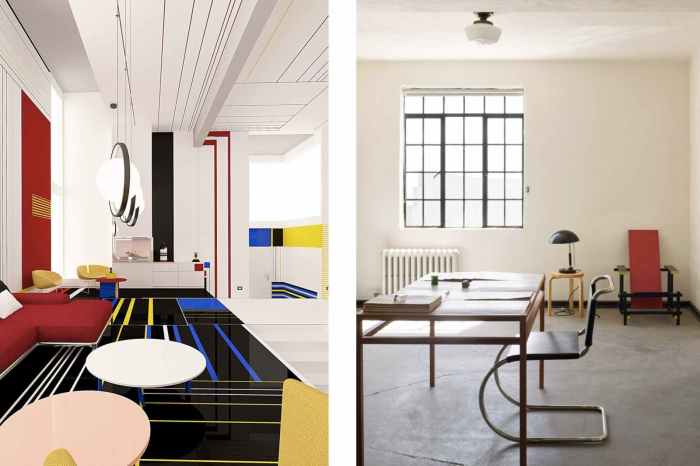
In conclusion, Bauhaus interior design continues to inspire contemporary spaces with its emphasis on minimalism, functionality, and geometric shapes. Embrace the timeless elegance of Bauhaus in your own decor for a touch of artistic flair and sophistication.
Popular Questions
What defines Bauhaus interior design?
Bauhaus interior design is characterized by minimalism, functionality, and the use of geometric shapes.
What are some iconic furniture pieces associated with Bauhaus design?
Iconic furniture pieces include the Wassily Chair and the Barcelona Chair.
How does lighting play a role in Bauhaus design?
Lighting is essential in enhancing the geometric shapes and forms in Bauhaus spaces, often using innovative techniques.
What is the significance of color theory in Bauhaus interior design?
Color choices impact the overall look and feel of Bauhaus spaces, with primary colors and bold contrasts being commonly used.
How do textures and patterns contribute to Bauhaus interior design?
Textures and patterns add visual interest, striking a balance between these elements and the minimalist approach of Bauhaus design.