Diving into the realm of industrial interior design, this introduction sets the stage for a captivating exploration of the fusion between raw urban elements and modern aesthetics. Get ready to uncover the key components that shape this unique design style, from its historical roots to its contemporary applications.
In the following paragraph, we will delve deeper into the essential aspects of industrial interior design, shedding light on its defining features and creative possibilities.
Introduction to Industrial Interior Design
Industrial interior design is a style that takes inspiration from old factories, warehouses, and other industrial spaces. It showcases raw materials, exposed structural elements, and a utilitarian aesthetic. This design approach emphasizes functionality and simplicity while embracing the beauty of imperfections.
History and Origins of Industrial Interior Design
Industrial interior design emerged in the late 20th century as a response to the conversion of old industrial buildings into residential or commercial spaces. It started as a way to repurpose these structures while maintaining their original character. The raw and unfinished look of industrial spaces quickly gained popularity for its unique charm.
Key Characteristics of Industrial Interior Design
- Raw materials such as metal, wood, and exposed brick
- Utilitarian furniture and fixtures
- Open floor plans with high ceilings
- Neutral color palette with pops of industrial-inspired hues
- Industrial lighting fixtures like exposed bulbs and metal pendants
Examples of Famous Industrial Interior Design Spaces
One iconic example of industrial interior design is the Chelsea Market in New York City. This former biscuit factory now houses a bustling market with exposed brick walls, metal beams, and industrial-style lighting. Another renowned space is the Ace Hotel in downtown Los Angeles, known for its industrial-chic aesthetic featuring concrete floors, metal accents, and vintage furniture.
Elements of Industrial Interior Design
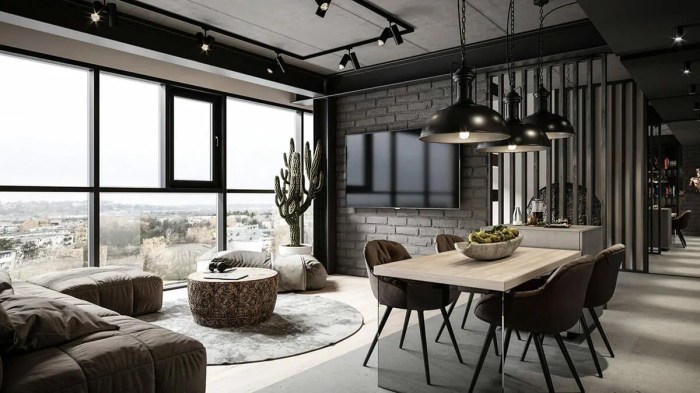
Industrial interior design encompasses a unique blend of raw materials, exposed elements, and a focus on functionality. Let's delve into the essential elements that define this rugged and edgy design style.
Raw Materials and Exposed Pipes
- Industrial interior design often features raw materials such as metal, wood, and concrete. These materials add a sense of authenticity and character to the space.
- Exposed pipes and ductwork are common in industrial design, showcasing the building's infrastructure and adding an industrial-chic vibe.
Metal, Wood, and Concrete
- Metal is a key component in industrial interior design, used for furniture, accents, and fixtures. Its sleek and durable nature adds an industrial edge to the space.
- Wood brings warmth and texture to industrial spaces, balancing the harshness of metal and concrete. Reclaimed wood is often used to add a rustic touch.
- Concrete is a staple in industrial design, known for its raw and unfinished look. It is used for flooring, countertops, and walls, adding an urban feel to the space.
Importance of Lighting
- Lighting plays a crucial role in enhancing the aesthetics of industrial design. Industrial spaces often feature exposed light fixtures, pendant lights, and Edison bulbs for a vintage touch.
- The strategic placement of lighting can highlight key design elements, create ambiance, and add depth to the space.
Industrial Furniture
- Industrial furniture is characterized by its utilitarian design, often made of metal and wood. Pieces like metal stools, wooden tables, and leather sofas contribute to the overall industrial look.
- Furniture with a distressed finish or vintage industrial pieces can add a sense of history and nostalgia to the space.
Color Palette and Textures in Industrial Interior Design
Industrial interior design often features a specific color palette and textures that contribute to its unique aesthetic. Let's delve into the typical colors used, the significance of textures like distressed wood and exposed brick, and how to create a cohesive color scheme in industrial spaces.
Typical Color Palette
In industrial interior design, the color palette tends to revolve around neutral tones such as grey, black, white, and brown. These colors create a sense of rawness and simplicity that is characteristic of industrial spaces. Additionally, pops of bold colors like deep blues or greens may be used sparingly to add contrast and visual interest.
Significance of Textures
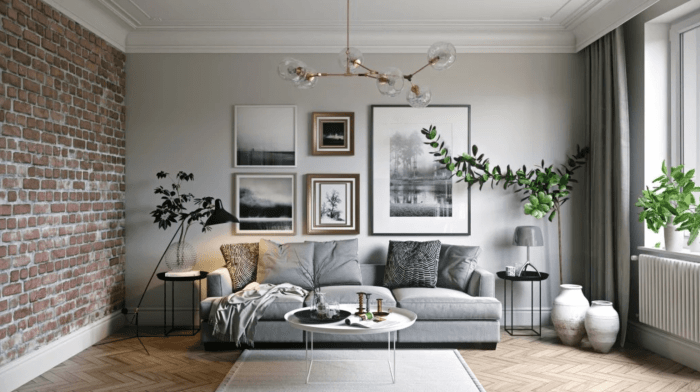
Textures play a crucial role in industrial interior design, adding depth and character to the space. Distressed wood, exposed brick walls, and metal finishes are commonly used to create an industrial look. These textures provide a sense of history and authenticity, evoking the feeling of a converted warehouse or factory.
They also add warmth and visual appeal to the otherwise utilitarian design.
Creating a Cohesive Color Scheme
To create a cohesive color scheme in industrial spaces, it's essential to balance the neutral tones with the right amount of accent colors. Consider using a mix of textures to add visual interest and dimension to the space. Incorporating elements like industrial lighting fixtures, vintage furniture pieces, and metallic accents can also tie the design together.
Ultimately, the key is to maintain a harmonious balance between the colors and textures to achieve the desired industrial aesthetic.
Industrial Interior Design Techniques
Creating an industrial look in a modern home involves a careful balance of raw materials, exposed structures, and utilitarian elements. Here are some tips to achieve this aesthetic while maintaining warmth and comfort:
Balance Industrial Elements with Warmth and Comfort
- Introduce soft textures like rugs, throws, and cushions to offset the hardness of industrial materials like metal and concrete.
- Use warm lighting fixtures such as Edison bulbs or exposed filament bulbs to create a cozy ambiance in industrial spaces.
- Add plants or greenery to bring life and freshness to the industrial setting.
Incorporate Vintage Industrial Pieces into Contemporary Spaces
- Look for antique furniture, industrial lighting fixtures, or vintage signage to add character and history to modern interiors.
- Mix and match old and new pieces to create a curated and eclectic industrial style.
- Repurpose industrial elements like old factory carts or pulleys as unique decor pieces.
Mix Industrial Design with Other Styles like Minimalism or Scandinavian
- Pair industrial furniture with minimalist decor to create a sleek and modern look with an edge.
- Incorporate Scandinavian design elements such as clean lines, natural materials, and neutral colors to soften the industrial aesthetic.
- Experiment with blending industrial and bohemian styles for a cozy and eclectic feel.
Concluding Remarks
In conclusion, industrial interior design offers a bold and innovative approach to decorating spaces, blending rugged textures with sleek finishes to create a visually striking environment. Whether you're a design enthusiast or looking to revamp your living space, embracing industrial design elements can add a touch of urban chic to any setting.
General Inquiries
What defines industrial interior design?
Industrial interior design is characterized by the use of raw materials, exposed structural elements, and utilitarian objects that reflect the aesthetics of old factories and industrial spaces.
How can I incorporate industrial elements into a modern home?
To achieve an industrial look in a modern home, focus on incorporating elements like metal, wood, and concrete, while balancing the industrial feel with warm textures and contemporary furnishings.
What color palette is typically used in industrial interior design?
The color palette in industrial design often includes neutral shades like grey, black, white, and earth tones, complemented by pops of bold colors for contrast.