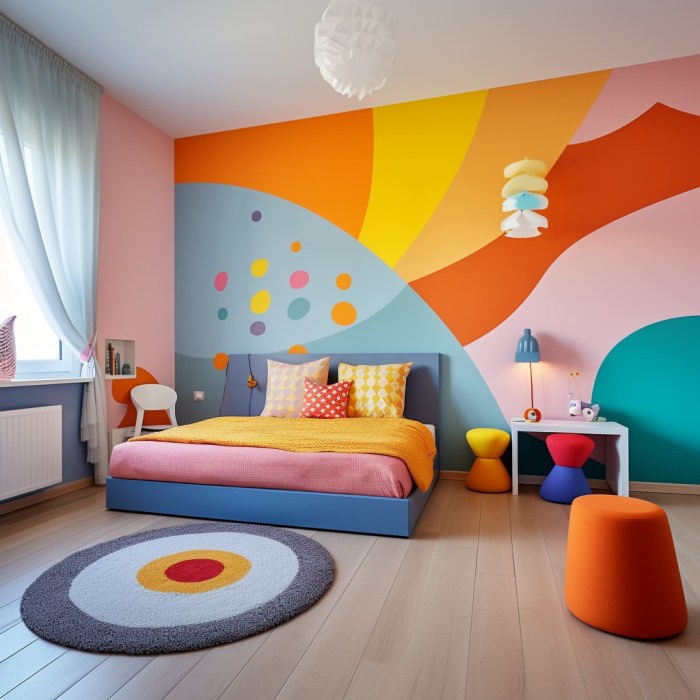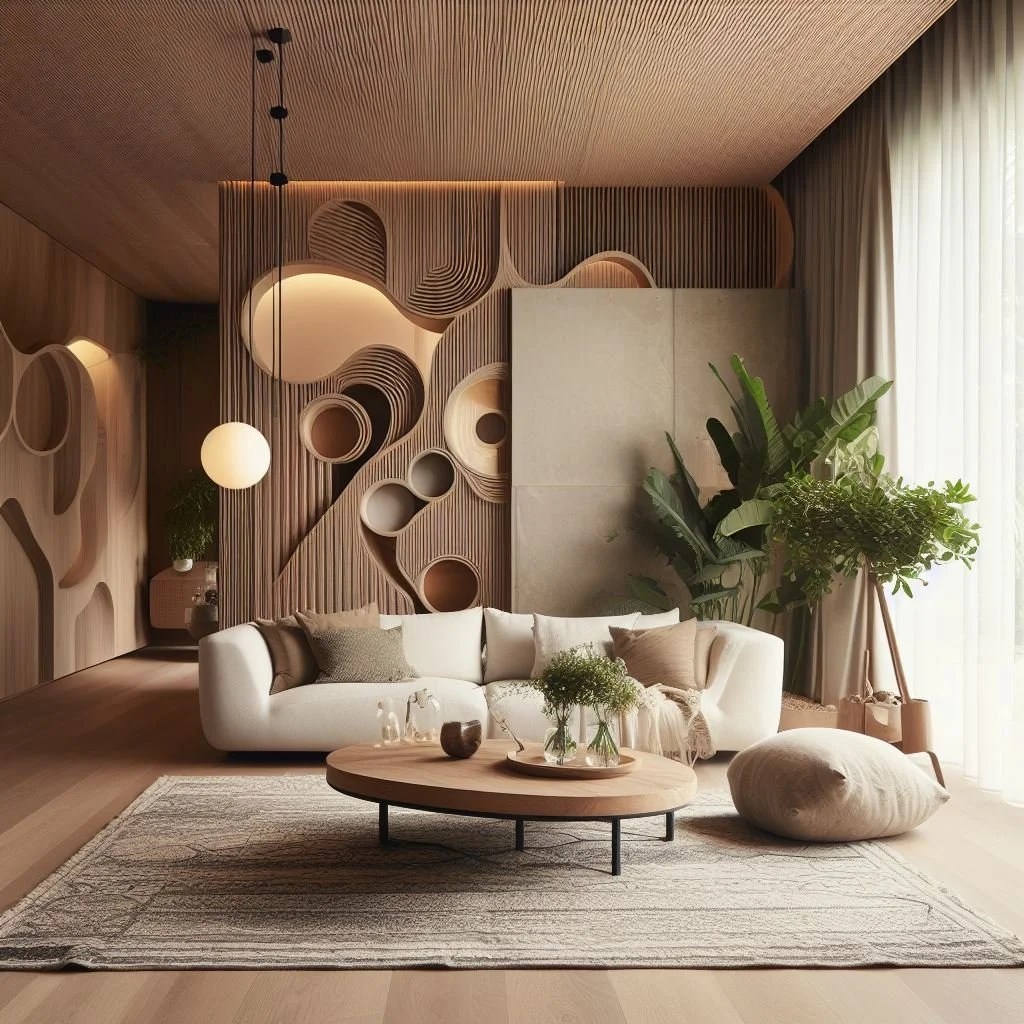
Embark on a journey through the world of interior design furniture, where we delve into the various types, materials, layouts, and trends that shape our living spaces. From classic to contemporary styles, this guide offers a detailed exploration of how furniture can transform a room into a personalized oasis of style and functionality.
Types of Interior Design Furniture
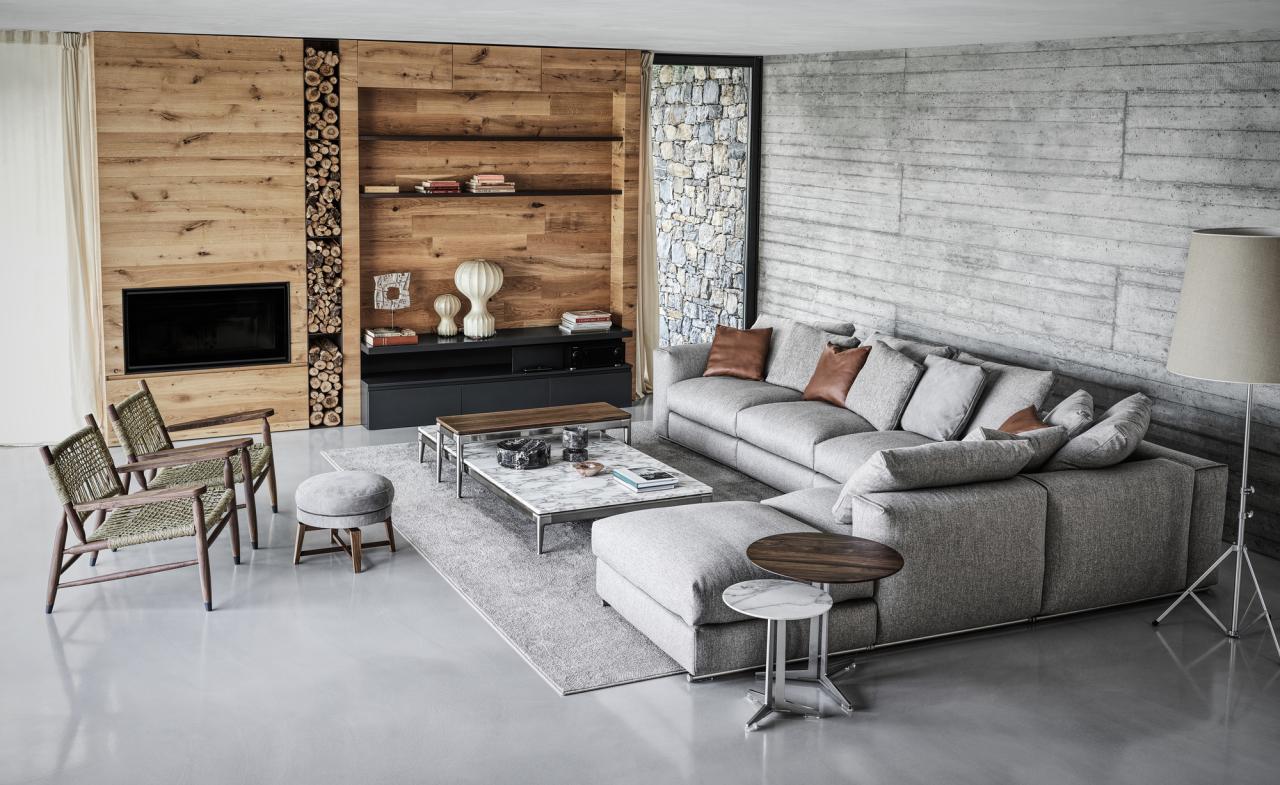
Interior design furniture plays a crucial role in shaping the overall look and feel of a room. Different types of furniture bring unique styles and aesthetics to a space, creating a harmonious or contrasting atmosphere depending on the design choices.
Modern Furniture
Modern furniture is characterized by sleek lines, minimalistic designs, and a focus on functionality. Materials like metal, glass, and leather are commonly used in modern furniture pieces. This style often creates a clean and sophisticated look in a room, perfect for those who prefer a contemporary aesthetic.
Traditional Furniture
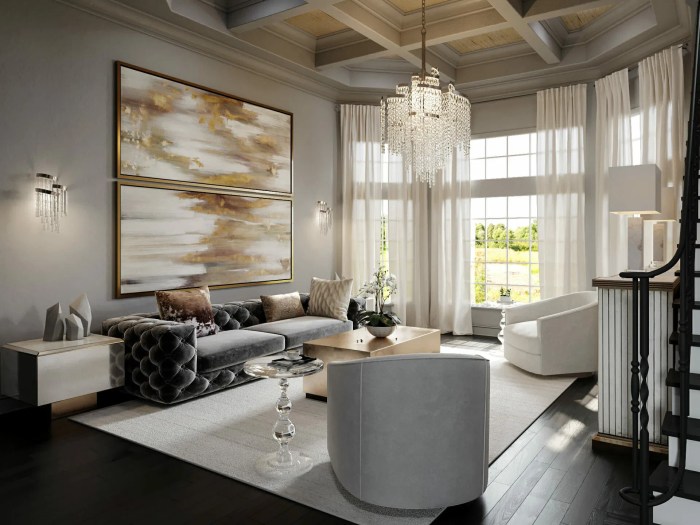
Traditional furniture features ornate details, rich wood finishes, and classic designs inspired by historical periods like Victorian or Baroque. This style exudes elegance, warmth, and timeless charm, making it ideal for those who appreciate a more formal and refined ambiance in their living spaces.
Minimalist Furniture
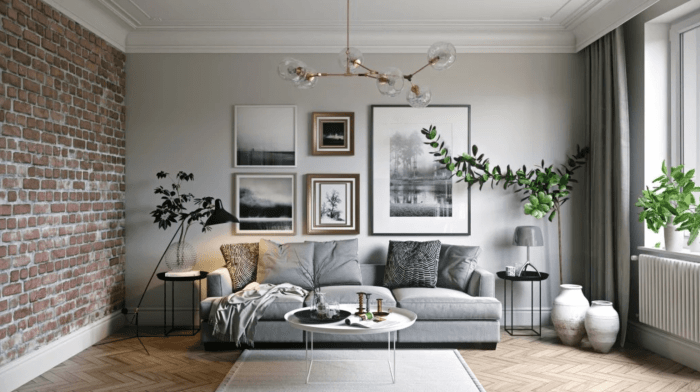
Minimalist furniture embraces simplicity, clean lines, and a clutter-free approach to design. With a focus on essential elements and functionality, this style creates a sense of calmness and spaciousness in a room. Neutral colors, simple shapes, and multifunctional pieces are key characteristics of minimalist furniture.
Furniture Materials and Finishes
Choosing the right materials and finishes for furniture is crucial in interior design as it can greatly impact the overall look and feel of a space. The materials used can affect the durability, style, and functionality of the furniture pieces, while the finishes can enhance or alter the aesthetic appeal of the room.
Importance of Selecting the Right Materials
When selecting materials for furniture, it is important to consider factors such as durability, maintenance, and style. For example, hardwoods like oak and mahogany are known for their durability and classic look, making them ideal for long-lasting pieces. On the other hand, materials like glass and metal can add a modern touch to the space but may require more maintenance to keep them looking their best.
Popular Finishes for Furniture
- Wood Stains: Wood stains come in a variety of shades and can enhance the natural beauty of wood furniture while providing protection.
- Painted Finishes: Painting furniture allows for endless color options and can be a great way to add a pop of color to a room.
- Lacquer: Lacquer finishes provide a high-gloss, sleek look to furniture pieces, perfect for modern and contemporary designs.
- Distressed Finishes: Distressed finishes give furniture an aged or weathered look, adding character and charm to a space.
Mixing and Matching Materials and Finishes
Creating a cohesive design scheme involves mixing and matching different materials and finishes effectively. One approach is to mix materials with varying textures, such as pairing a smooth leather sofa with a rough-hewn wooden coffee table. Additionally, using complementary finishes, like combining matte and glossy surfaces, can add depth and interest to a room.
Custom vs. Ready-Made Furniture
When it comes to choosing furniture for interior design projects, one decision that designers often face is whether to opt for custom-made pieces or ready-made furniture. Each option has its own set of benefits and drawbacks, which should be carefully considered based on the specific needs and requirements of the project.Custom-Made Furniture:Custom-made furniture offers the advantage of being tailored to fit the exact specifications of a space, ensuring a perfect fit and maximizing functionality.
Designers have the freedom to choose the materials, finishes, and details according to their vision, resulting in a unique and personalized look. This level of customization allows for creativity and innovation in design, making it ideal for projects that require a distinct aesthetic or specific functionality.However, custom-made furniture can be more costly and time-consuming compared to ready-made pieces.
The process of designing, manufacturing, and installing custom furniture requires careful planning and coordination, which may lead to longer lead times and higher costs. Additionally, the customization options can be overwhelming for some clients, leading to decision fatigue and potential design challenges.Ready-Made Furniture:Ready-made furniture offers the advantage of convenience and accessibility, as these pieces are readily available for purchase and immediate use.
They come in a variety of styles, sizes, and price points, making it easier to find options that fit within budget constraints. Ready-made furniture is also suitable for projects with tight timelines, as they can be quickly sourced and installed without the need for customization.However, ready-made furniture may lack the level of uniqueness and personalization that custom-made pieces provide.
Designers may need to compromise on certain design elements or settle for pieces that do not perfectly align with their vision. Ready-made furniture is also less flexible in terms of customization options, limiting the creative freedom of designers and potentially resulting in a less cohesive design aesthetic.Tips for Choosing Between Custom and Ready-Made Furniture:
- Consider the project requirements and constraints, such as budget, timeline, and design vision, to determine the most suitable option.
- Opt for custom-made furniture for projects that require a high level of customization, unique design elements, or specific functionality.
- Choose ready-made furniture for projects with limited budgets, tight timelines, or less complex design requirements.
- Mix and match custom and ready-made pieces to achieve a balance between uniqueness and practicality in interior design projects.
Furniture Layout and Space Planning
When it comes to interior design, furniture layout and space planning play a crucial role in creating a functional and aesthetically pleasing environment. The way furniture is arranged in a room can significantly impact the overall look and feel of the space.
Significance of Furniture Layout
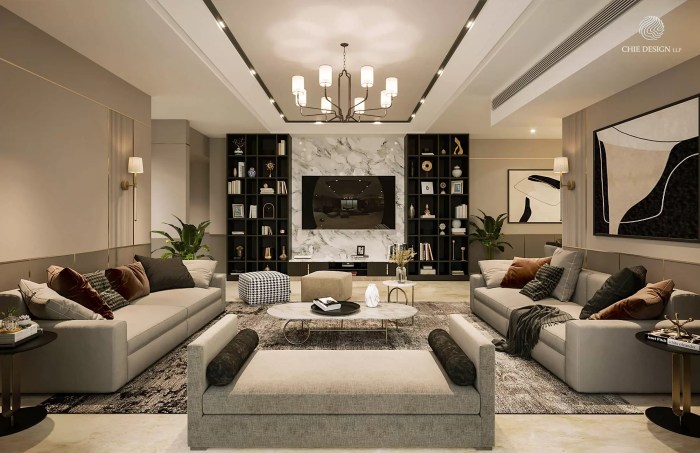
Proper furniture layout can enhance the flow of a room, maximize functionality, and create a sense of balance and harmony. It helps in defining different zones within a space, such as seating areas, dining areas, and workspaces. Additionally, strategic furniture placement can make a room appear larger and more inviting.
Principles of Space Planning
- Consider the function of the space: Before arranging furniture, identify the primary purpose of the room and prioritize the activities that will take place in it.
- Scale and proportion: Ensure that the size of the furniture is proportionate to the scale of the room. Avoid overcrowding or leaving too much empty space.
- Traffic flow: Allow for clear pathways and circulation routes within the room to ensure ease of movement and accessibility.
- Focal points: Arrange furniture around focal points like a fireplace, large window, or artwork to create visual interest and balance.
Creative Ideas for Optimizing Space
- Use multifunctional furniture: Opt for pieces that serve more than one purpose, such as a storage ottoman that can also be used as a coffee table.
- Utilize vertical space: Maximize storage by incorporating tall bookshelves, wall-mounted cabinets, or hanging planters.
- Create zones: Define separate areas within a room by using rugs, lighting, or furniture groupings to give each space its own identity.
- Experiment with angles: Instead of arranging furniture parallel to walls, try placing it at angles to add visual interest and create a dynamic layout.
Trends in Interior Design Furniture
When it comes to interior design furniture, keeping up with the latest trends is essential to create a modern and stylish space. Let's explore some of the current trends shaping the world of interior design furniture.
Sustainable Materials
One emerging trend in interior design furniture is the use of sustainable materials. Designers and consumers are increasingly opting for eco-friendly options such as reclaimed wood, bamboo, and recycled materials. This trend not only helps reduce environmental impact but also adds a unique and natural touch to interior spaces.
Minimalist Design
Another popular trend in interior design furniture is minimalist design. Clean lines, simple shapes, and neutral colors characterize this style, creating a sense of calm and sophistication in any room. Minimalist furniture pieces are versatile and can easily complement a variety of interior design aesthetics.
Mixed Materials
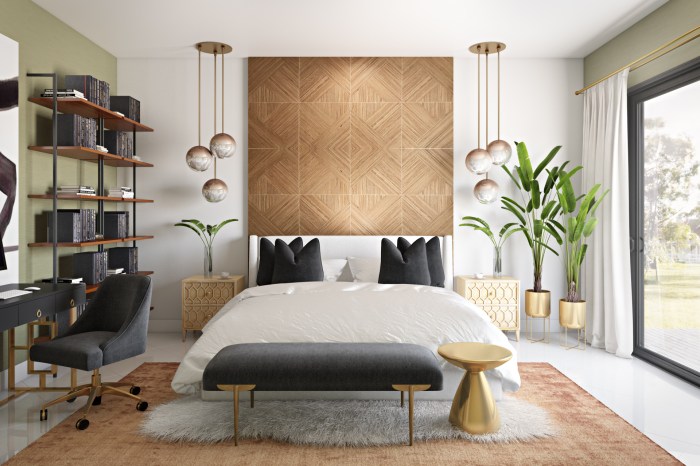
Designers are also experimenting with mixed materials in furniture design, combining metal, wood, glass, and other elements to create visually interesting pieces. This trend adds depth and texture to interior spaces, making them more dynamic and engaging.
Statement Pieces
Statement pieces are gaining popularity in interior design furniture, with bold colors, unique shapes, and eye-catching patterns taking center stage. These pieces serve as focal points in a room, adding personality and character to the overall design.
End of Discussion
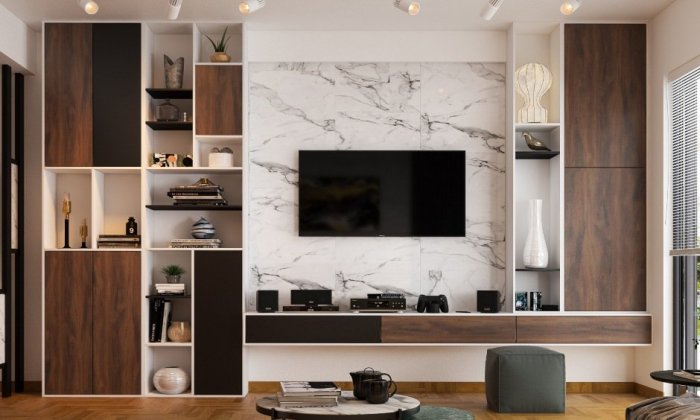
As we conclude our exploration of interior design furniture, it's evident that the right choice of furniture can truly define the character of a space. By understanding the nuances of different styles, materials, and layouts, you can create a harmonious environment that reflects your unique taste and enhances your daily living experience.
Helpful Answers
What are some common types of interior design furniture?
Common types include sofas, coffee tables, dining sets, and bookshelves.
How do furniture materials and finishes impact a space?
The right materials and finishes can significantly affect the aesthetics and durability of furniture, influencing the overall look of a room.
What are the benefits of custom-made furniture?
Custom-made furniture offers unique designs tailored to specific preferences and dimensions, but it can be more expensive than ready-made options.
Why is furniture layout important in interior design?
Proper furniture layout enhances functionality, flow, and visual appeal within a space.
What are some current trends in interior design furniture?
Current trends include sustainable materials, multifunctional pieces, and a blend of vintage and modern styles.