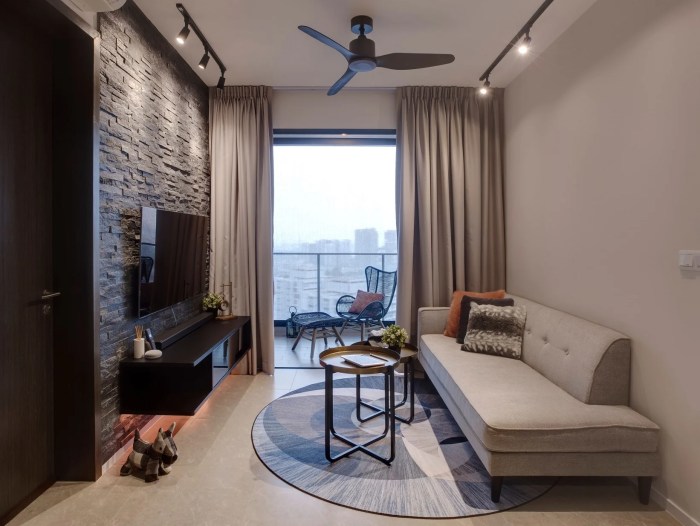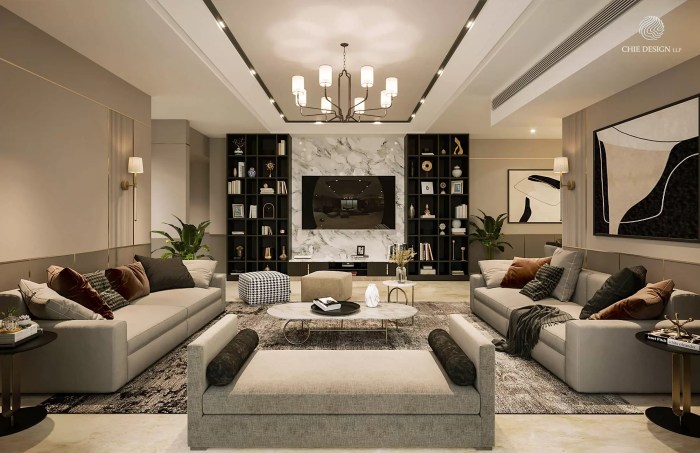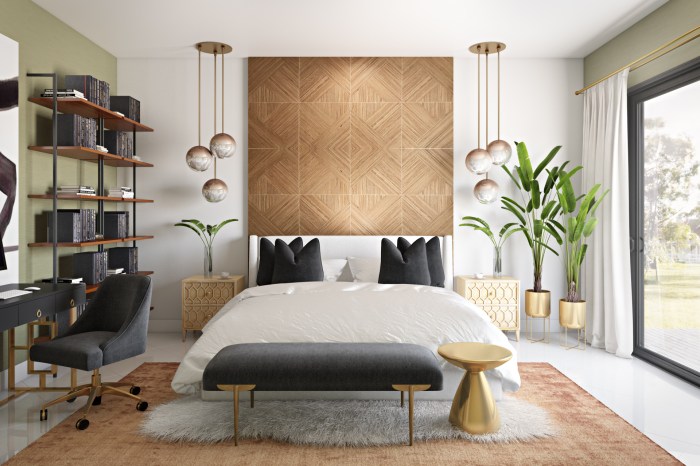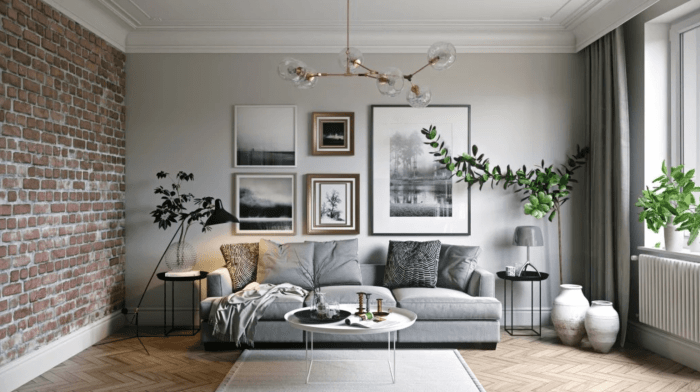
Step into the world of minimalist interior design - a realm where less is more, and simplicity reigns supreme. This introduction sets the stage for a journey through the key principles, color palettes, furniture choices, and more that define this elegant design style.
From clean lines to neutral colors, minimalist interior design is all about creating spaces that are uncluttered and serene. Let's dive in and uncover the secrets behind this popular design trend.
Definition of Minimalist Interior
Minimalist interior design focuses on simplicity, functionality, and clean lines to create a serene and uncluttered space. It involves stripping down the space to its essential elements and embracing a "less is more" approach.
Key Principles of Minimalist Interior Design
- Avoiding clutter: Minimalist interiors prioritize open spaces and minimal decor to create a sense of calm.
- Neutral colors: Color palettes are often limited to neutral tones like white, black, gray, and beige to maintain a clean and cohesive look.
- Clean lines: Furniture and architectural elements feature simple, straight lines without ornate details.
- Functional furniture: Pieces are selected for their practicality and efficiency, with a focus on multi-functional items.
Examples of Minimalist Interior Design Elements
- Neutral colors: White walls, black accents, and beige furniture create a harmonious color scheme.
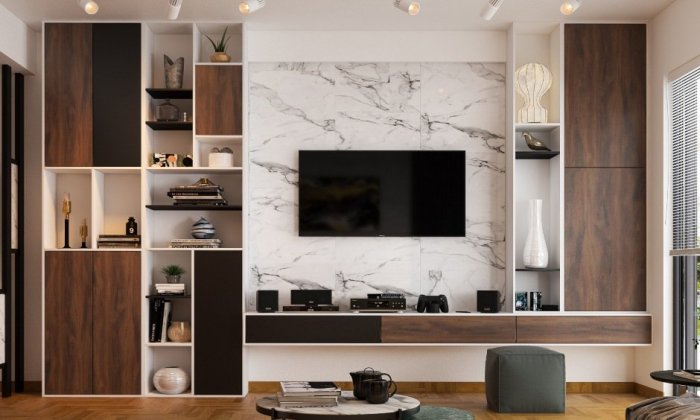
- Clean lines: Minimalist furniture like sleek sofas, geometric coffee tables, and simple shelving units enhance the clean aesthetic.
- Functional furniture: Storage solutions like hidden cabinets, built-in shelves, and modular furniture maximize space without sacrificing style.
Importance of Simplicity and Decluttering
Decluttering and simplifying the space in minimalist interiors help reduce visual noise and promote a sense of tranquility. By focusing on what is essential and eliminating unnecessary items, minimalist interior design can create a peaceful and harmonious environment.
Color Palette and Materials
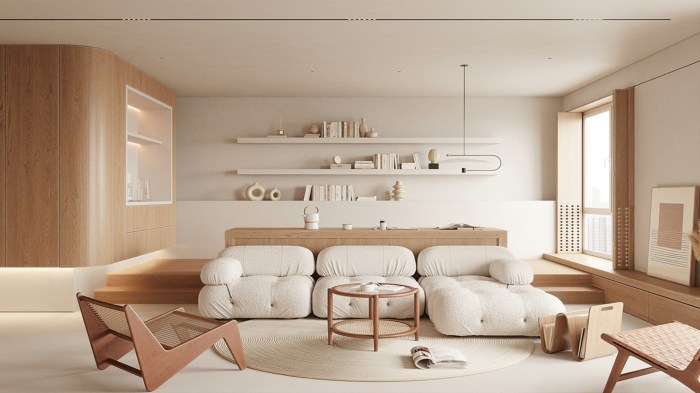
When it comes to minimalist interior design, the color palette and choice of materials play a crucial role in creating a clean and uncluttered space.
Common Color Schemes
- Neutral colors such as white, beige, gray, and black are commonly used in minimalist interiors to create a sense of calm and simplicity.
- Monochromatic color schemes, where different shades of the same color are used, are also popular for a cohesive and harmonious look.
- Accents of bold colors like navy blue, forest green, or mustard yellow can be added sparingly to create visual interest without overwhelming the space.
Materials Used
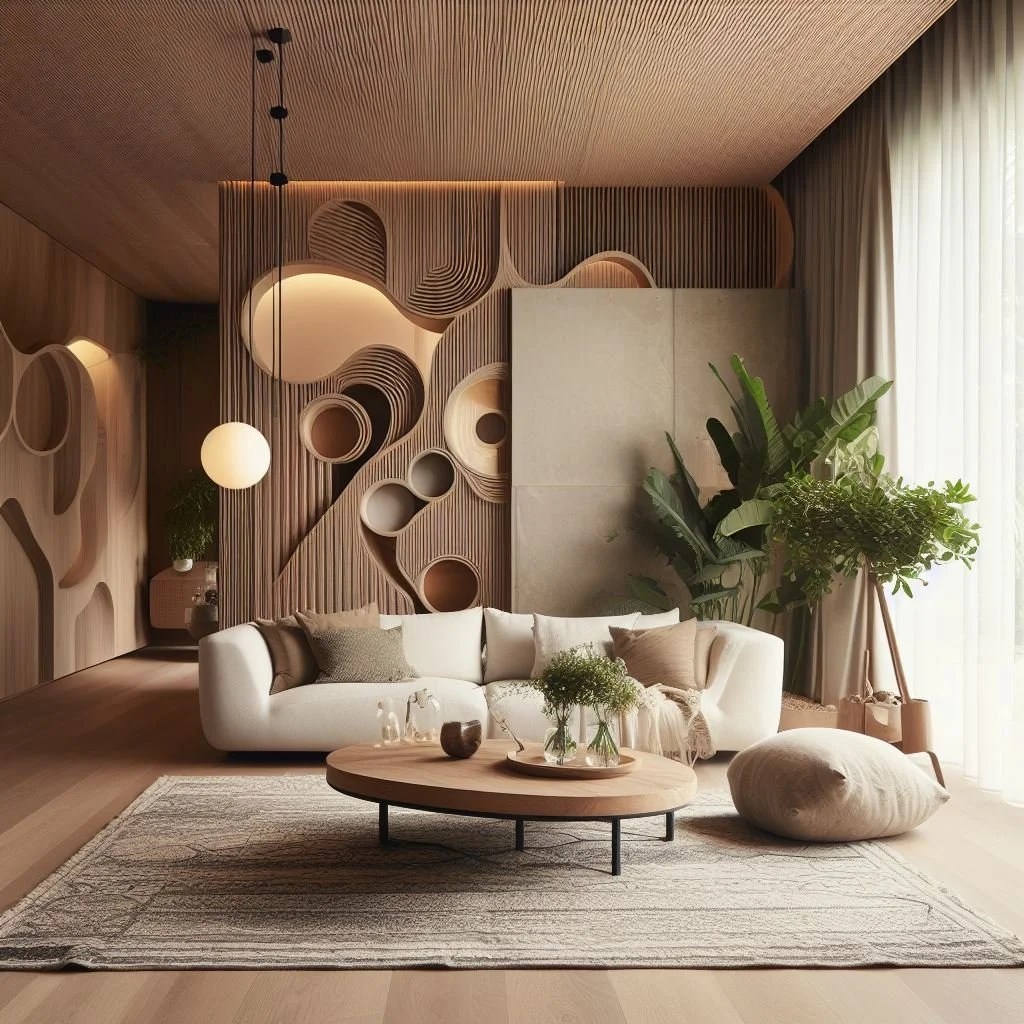
- Natural wood is a staple material in minimalist interiors, known for adding warmth and texture to the space.
- Metal accents, such as stainless steel or brushed nickel, are often used for a sleek and modern touch.
- Glass is another common material used in minimalist design to enhance the sense of openness and light in the space.
Impact on Aesthetic
The choice of colors and materials in minimalist interiors greatly influences the overall aesthetic of the space. Neutral colors create a sense of tranquility and simplicity, while the use of natural materials adds warmth and character. Metal elements bring a contemporary feel, while glass enhances the feeling of spaciousness.
Role of Textures
- Textures play a vital role in adding depth and visual interest to a minimalist interior. Combining different textures like smooth glass, rough wood, and sleek metal can create a dynamic and layered look.
- Textured fabrics such as wool, linen, or leather can also be incorporated to add tactile appeal and coziness to the space.
Furniture and Layout
Minimalist interior design is characterized by simplicity, clean lines, and a focus on functionality. When it comes to furniture and layout in a minimalist space, less is definitely more. Let's delve into how furniture choices and arrangement play a crucial role in achieving the minimalist aesthetic.
Types of Furniture
In a minimalist interior, furniture tends to be sleek, with simple designs and minimal ornamentation. Common pieces include low-profile sofas, clean-lined chairs, and unadorned tables. Storage solutions are often integrated into the furniture to maintain a clutter-free look.
Layout and Functionality
The layout of furniture in a minimalist space is carefully planned to maximize openness and functionality. Furniture is strategically placed to create a sense of flow and openness, allowing for easy movement within the space. Multi-functional furniture pieces are also favored to optimize the use of space.
Negative Space
Negative space, or the empty space around and between furniture pieces, plays a crucial role in minimalist interior design. It helps to create a sense of balance and tranquility in the space, allowing the eye to rest and appreciate the simplicity of the design.
Embracing negative space is key to achieving the minimalist look.
Less is More
The concept of "less is more" is central to minimalist interior design, especially when it comes to selecting and arranging furniture. Each piece of furniture is carefully chosen for its functionality and visual impact, with unnecessary items being eliminated. By keeping furniture to a minimum and focusing on quality over quantity, a minimalist space can achieve a sense of calm and sophistication.
Lighting and Accessories

Lighting plays a crucial role in creating ambiance in a minimalist interior. It helps to highlight key design elements, create a sense of space, and establish a calming atmosphere.
Accessories are essential in adding personality to a minimalist space. They serve as focal points and add visual interest to an otherwise simple design scheme.
Lighting Fixtures in Minimalist Design
- Track lighting: Provides flexibility in highlighting specific areas or objects.
- Pendant lights: Adds a touch of elegance while providing functional lighting.
- Wall sconces: Creates a warm and inviting ambiance without taking up floor space.
Role of Accessories in Minimalist Interiors
- Statement art pieces: Add a pop of color and personality to the space.
- Textiles: Incorporate throw pillows, rugs, or curtains to introduce texture and warmth.
- Plants: Bring nature indoors and add a sense of tranquility to the space.
Tips for Incorporating Accessories
- Limit the number of accessories to maintain a clean and uncluttered look.
- Choose accessories that complement the overall color palette and style of the space.
- Use accessories strategically to create visual balance and focal points.
Concluding Remarks
As we conclude our exploration of minimalist interior design, remember that less clutter means more peace. Embrace simplicity, embrace minimalism, and transform your living spaces into havens of tranquility and style.
Expert Answers
What does minimalist interior design entail?
Minimalist interior design focuses on simplicity, clean lines, and a clutter-free environment to create a sense of calm and serenity.
How does lighting impact a minimalist interior?
Lighting plays a crucial role in setting the ambiance in a minimalist space, highlighting the design elements and creating a peaceful atmosphere.
Why is negative space important in minimalist design?
Negative space allows for breathing room in a minimalist interior, emphasizing the beauty of the few carefully chosen elements in the space.