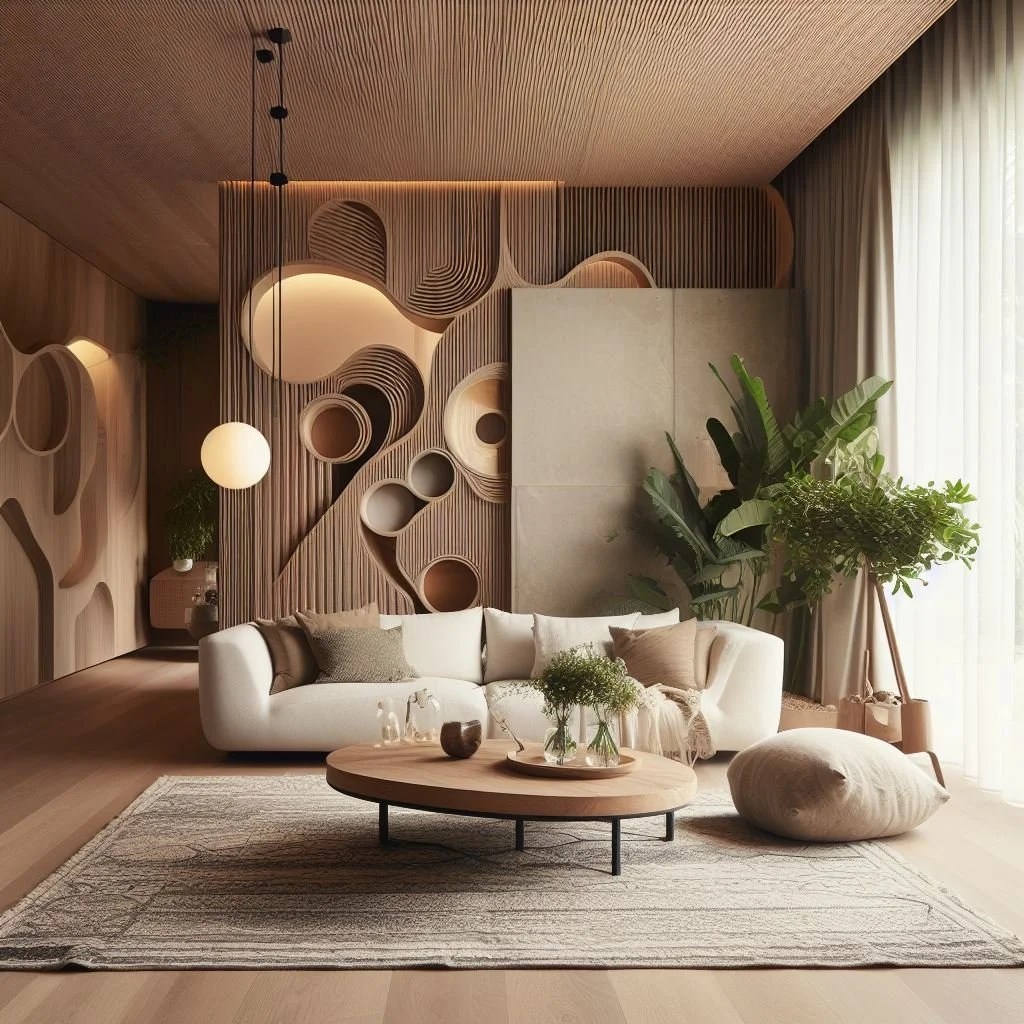
Step into the world of modern room design where sleek lines, minimalist aesthetics, and strategic lighting converge to create spaces that are both functional and stylish. This guide will take you through key elements, furniture selection tips, lighting techniques, and texture incorporation strategies to help you achieve the modern room of your dreams.
Explore the nuances of modern design and discover how to transform any space into a contemporary masterpiece that reflects your unique style and personality.
Elements of Modern Room Design
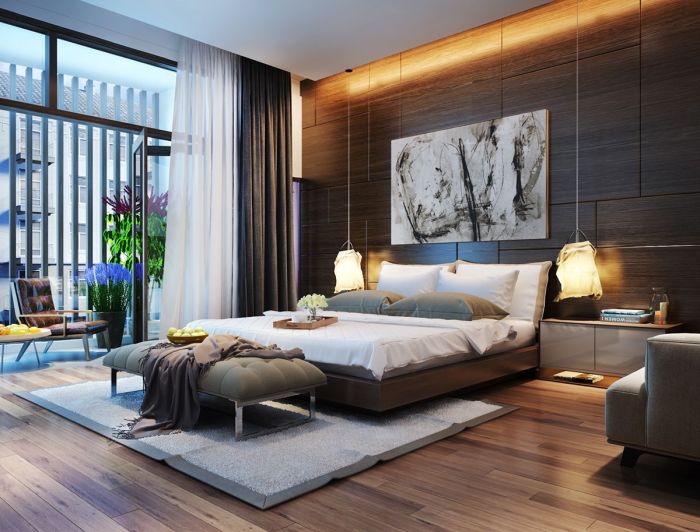
Modern room design is characterized by clean lines, minimal clutter, and a focus on functionality. To achieve a modern look, certain key elements are essential.
Minimalist Furniture
- Minimalist furniture is a hallmark of modern room design, featuring sleek designs with simple, clean lines.
- Pieces are often made from materials such as metal, glass, or wood with a natural finish.
- Furniture is chosen for both form and function, with an emphasis on practicality and space-saving solutions.
Color Schemes
- Common color schemes in modern room design include neutral tones such as white, beige, gray, and black.
- Accents of bold, vibrant colors like red, blue, or yellow may be used sparingly to add interest and contrast.
- Monochromatic color schemes are also popular, creating a sense of harmony and sophistication in the space.
Natural Light
- Natural light is crucial in modern room design, as it helps create a bright, airy atmosphere.
- Large windows, skylights, and open floor plans are often incorporated to maximize natural light and connect the indoor space with the outdoors.
- The use of sheer curtains or blinds allows for light to filter in while maintaining privacy and enhancing the overall aesthetic.
Furniture Selection for Modern Rooms
When selecting furniture pieces for a modern room, it is essential to focus on clean lines, minimalistic designs, and functionality. Here are some tips to keep in mind:
Use of Multifunctional Furniture
In modern room design, multifunctional furniture is key to maximizing space efficiency. Pieces like sofa beds, storage ottomans, and extendable dining tables are excellent choices for adding versatility to a room.
Comparison of Materials
Different materials are commonly used in modern furniture, each offering unique characteristics. For example, metal and glass provide a sleek and contemporary look, while wood adds warmth and texture. Consider mixing materials for a dynamic and balanced aesthetic.
Incorporating Technology
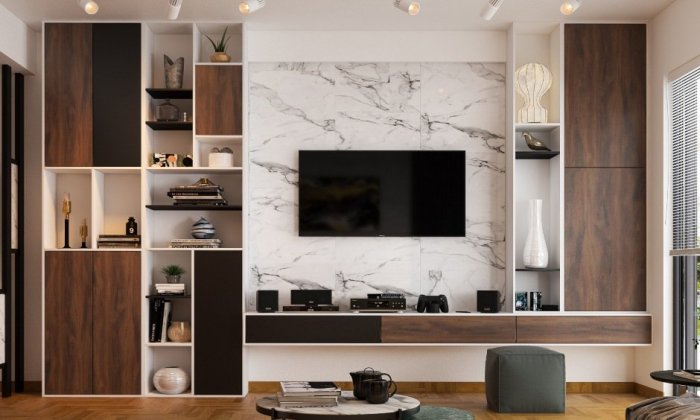
Technology can seamlessly blend into modern room design through features like built-in USB ports, wireless charging stations, and smart home integration. Choose furniture pieces that accommodate and conceal technology components to maintain a clean and cohesive look.
Lighting in Modern Room Design
Lighting plays a crucial role in enhancing the aesthetics and functionality of a modern room. It can set the mood, highlight key design elements, and create a sense of space.
Statement Lighting Fixtures
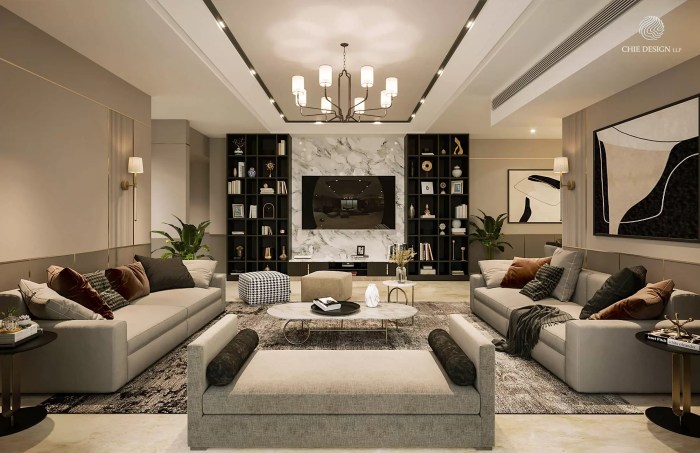
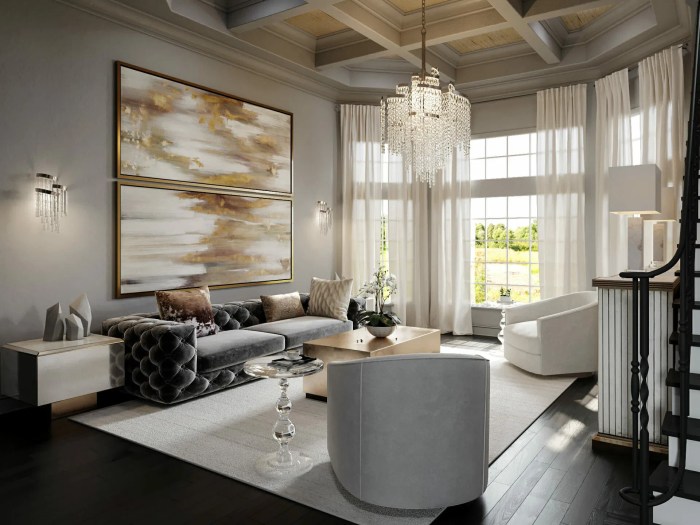
- Statement lighting fixtures, such as chandeliers, pendant lights, and unique lamps, are often used in modern design to make a bold visual impact.
- These fixtures can serve as focal points in a room, adding a touch of elegance and sophistication to the overall design.
- Opt for fixtures with clean lines, geometric shapes, and metallic finishes to complement the modern aesthetic.
Ambient Lighting for Different Areas
Creating ambient lighting is essential in modern room design to ensure a well-balanced and inviting atmosphere. Here are some ideas for different areas:
- Living Room:Use recessed lighting or track lighting to illuminate the space evenly. Add floor lamps or sconces for accent lighting.
- Bedroom:Install dimmable overhead lights for flexibility. Incorporate bedside table lamps or wall-mounted fixtures for task lighting.
- Kitchen:Utilize under-cabinet lighting for task lighting. Hang pendant lights above the island or dining table for ambient lighting.
Utilizing Natural and Artificial Lighting
Combining natural and artificial lighting is key to creating a modern ambiance in a room. Here are some tips:
- Maximize natural light by keeping windows unobstructed and using sheer curtains or blinds.
- Layer artificial lighting with a mix of overhead lights, task lighting, and accent lighting to create depth and dimension.
- Consider smart lighting options that allow you to adjust the brightness and color temperature according to different activities or times of day.
Incorporating Textures and Patterns
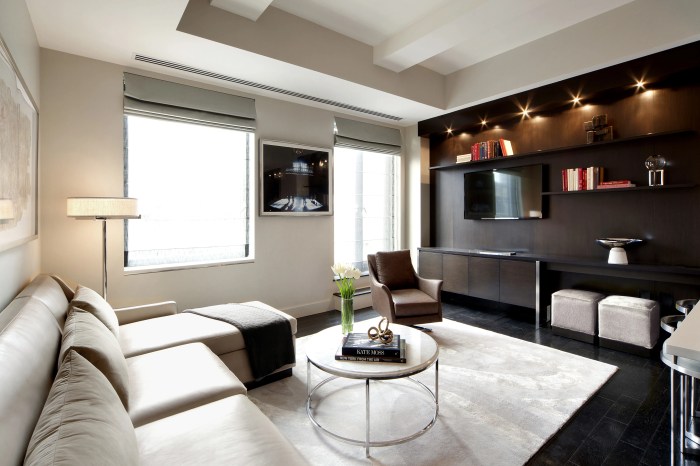
Texture and patterns play a crucial role in adding depth and visual interest to modern room design. By strategically incorporating different textures and patterns, you can create a dynamic and cohesive space that is both visually appealing and inviting.
Adding Depth with Textures
Textures can bring a sense of warmth and dimension to a modern room. Consider incorporating textures such as velvet, leather, wood, metal, or natural fibers like jute or sisal. Mixing these textures can create a rich and layered look that adds depth to the overall design.
Mixing Patterns Effectively
- Start with a neutral base: Begin with a neutral color palette for your walls, floors, and larger furniture pieces.
- Choose a dominant pattern: Select one main pattern that will be the focal point of the room, such as a bold geometric print or floral design.
- Add smaller-scale patterns: Incorporate smaller-scale patterns in complementary colors to balance out the dominant pattern. Mix stripes, plaids, and polka dots for variety.
- Consider texture: When mixing patterns, also consider the texture of the fabrics. Combining different textures can enhance the visual interest of the patterns.
Incorporating Different Textures for a Cohesive Look
To create a cohesive modern look, experiment with a variety of textures in your room design. For example, pair a sleek leather sofa with a plush velvet throw blanket, or combine a glossy lacquered coffee table with a natural wood accent chair.
Mixing textures adds depth and character to the space.
Accent Walls and Textured Elements
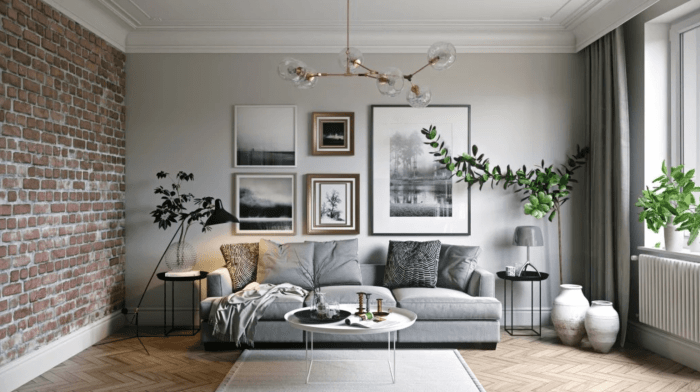
Accent walls or textured elements can serve as focal points in a modern room design. Consider using wallpaper with a textured finish, reclaimed wood paneling, or exposed brick to add visual interest and create a unique feature in the room.
These elements can help break up solid surfaces and add dimension to the space.
Outcome Summary
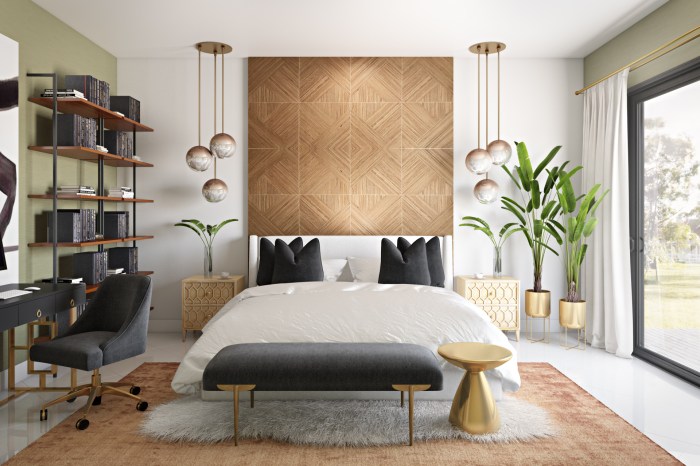
Elevate your living spaces with the principles of modern room design and unlock the potential for a home that exudes sophistication and elegance. Embrace the clean lines, thoughtful details, and innovative solutions that define modern design, and watch as your space transforms into a sanctuary of modern luxury.
Question & Answer Hub
How important is natural light in modern room design?
Natural light plays a crucial role in modern room design as it helps create a sense of openness and airiness, enhancing the overall aesthetic of the space.
What materials are commonly used in modern furniture?
Materials like glass, metal, and leather are commonly used in modern furniture due to their sleek and contemporary appeal.
How can I effectively mix patterns in a modern space?
To mix patterns effectively in a modern room, stick to a cohesive color palette and vary the scale of the patterns for a harmonious look.
What is the significance of statement lighting fixtures in modern design?
Statement lighting fixtures serve as focal points in modern design, adding a touch of drama and personality to the space.
How can I incorporate technology seamlessly into modern room design?
To seamlessly integrate technology into modern room design, consider hidden outlets, smart home devices, and sleek tech accessories that complement the overall aesthetic.