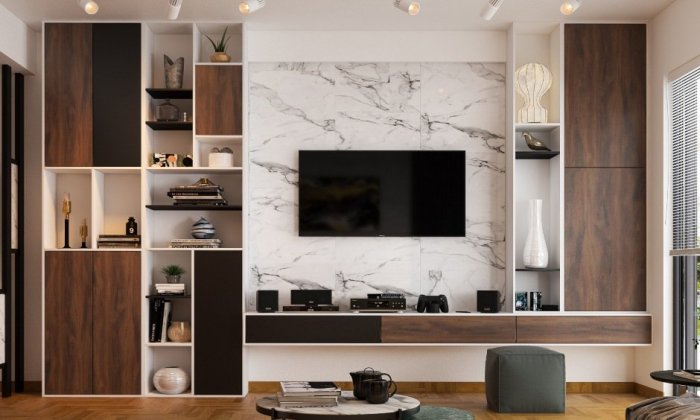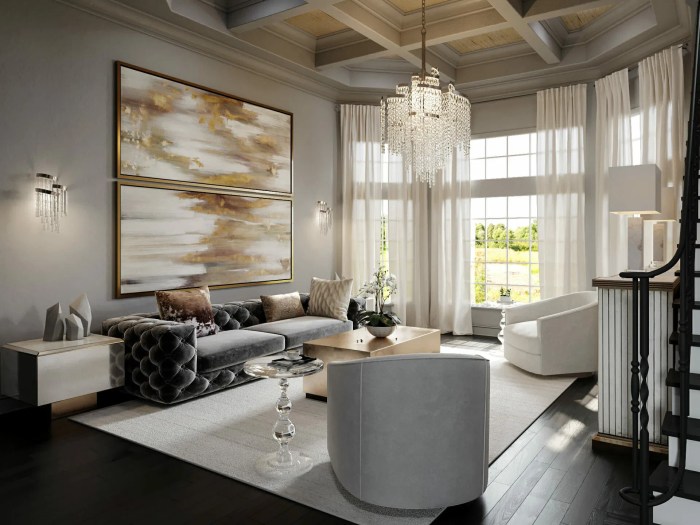
Step into the world of organic modern interior design where nature meets sophistication. From the seamless integration of natural elements to the emphasis on sustainability, this design style offers a unique and captivating aesthetic for modern spaces.
Explore the key characteristics, color palettes, furniture styles, and more that define this trendsetting approach to interior design.
Definition and Characteristics of Organic Modern Interior Design
Organic modern interior design combines the sleek lines and minimalist aesthetic of modern design with the warmth and natural elements of organic materials. It focuses on creating a harmonious balance between the man-made and natural world, bringing a sense of tranquility and connection to nature into interior spaces.
Natural Elements in Modern Interior Design
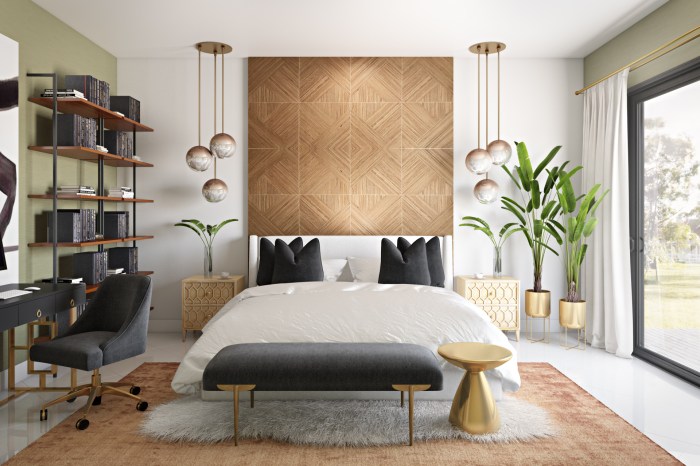
In organic modern interior design, natural elements such as wood, stone, and plants are often incorporated to add texture, warmth, and a sense of grounding to the space. For example, wooden furniture, stone countertops, and indoor plants can be used to create a serene and inviting atmosphere.
Sustainability and Eco-friendliness
One of the key characteristics of organic modern interior design is its emphasis on sustainability and eco-friendliness. Designers often opt for environmentally friendly materials, such as reclaimed wood, recycled glass, and organic fabrics, to reduce the impact on the environment.
Additionally, energy-efficient lighting, low-VOC paints, and eco-friendly furniture are commonly used to create healthier living spaces.
Color Palette and Materials
When it comes to organic modern interior design, the color palette and choice of materials play a crucial role in creating a harmonious and inviting space. Natural elements are often emphasized to bring a sense of warmth and connection to the outdoors.
Typical Color Palette
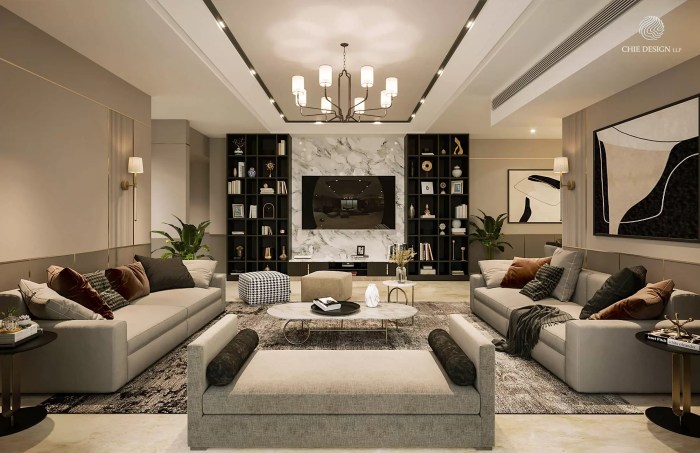
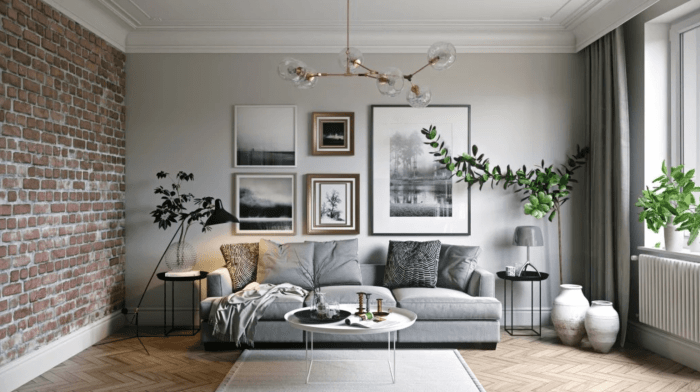
In organic modern design, the color palette tends to be neutral and earthy tones such as beige, taupe, gray, and white. These colors create a calming and sophisticated atmosphere while allowing the natural materials to stand out. Accents of muted greens, blues, and browns may also be incorporated to add depth and interest to the space.
Common Materials
Wood, stone, and metal are commonly used materials in organic modern interior design. Wood brings warmth and texture, whether in the form of exposed beams, hardwood floors, or wooden furniture. Stone, such as marble or travertine, adds a sense of luxury and timelessness.
Metal accents, like steel or brass, provide a modern edge and contrast to the organic elements.
Impact on Aesthetic and Feel
The choice of materials in organic modern design impacts the overall aesthetic and feel of the space by creating a seamless blend of nature and contemporary design. The use of natural materials brings a sense of authenticity and sustainability, fostering a connection to the environment.
The combination of textures and finishes adds depth and visual interest, making the space feel inviting and sophisticated.
Furniture and Layout

In organic modern interior design, the style of furniture is characterized by clean lines, natural materials, and a focus on functionality. The furniture often features a mix of sleek modern designs with organic elements such as wood, stone, or leather.The furniture layout in organic modern design plays a crucial role in creating a harmonious flow within the space.
By strategically placing furniture pieces, designers can enhance the functionality of the room while maintaining a sense of openness and connection to nature.
Innovative Furniture Designs
- One innovative furniture design that blends organic and modern elements is the "Live Edge Table." This type of table features a natural, unfinished edge that showcases the beauty of the wood grain while maintaining a modern silhouette.
- Another example is the "Egg Chair," originally designed by Arne Jacobsen. This iconic piece combines a futuristic shape with organic curves, making it a perfect addition to an organic modern interior.
- The "Pebble Rug" is a unique furniture piece that brings a touch of nature indoors. This rug mimics the look of smooth river stones and adds a tactile element to the room, blending seamlessly with modern furniture.
Lighting and Textures
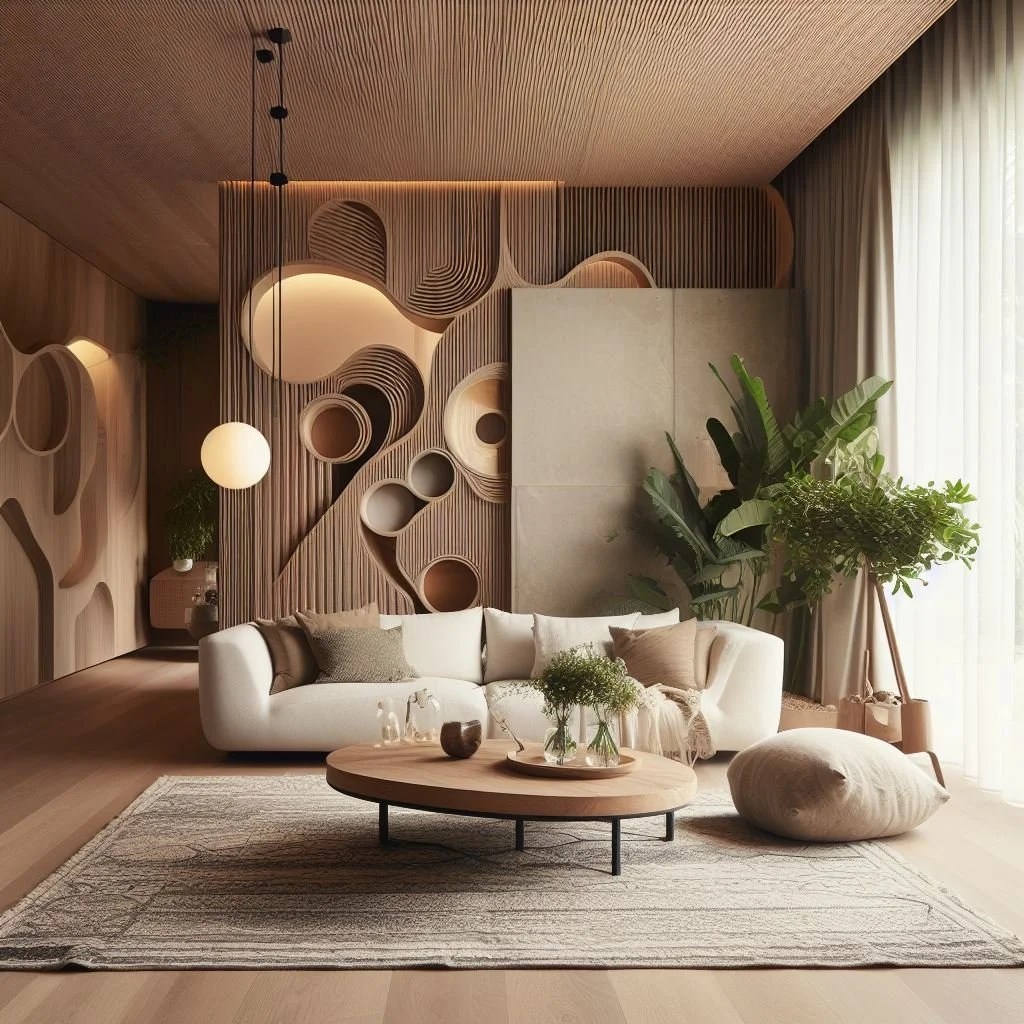
Lighting and textures play a crucial role in enhancing the overall organic modern interior design of a space. Proper lighting can highlight architectural features, create ambiance, and set the mood, while textures add depth and visual interest to the environment.
Importance of Lighting
- Lighting can accentuate the natural elements and materials used in organic modern design, such as wood, stone, and metal.
- Strategic lighting placement can create a sense of warmth and coziness in the space, inviting people to relax and unwind.
- Use of dimmers and layered lighting can help control the intensity and mood of the room, allowing for flexibility in different settings.
Role of Textures
- Textures add tactile appeal to the space, making it more inviting and visually appealing.
- Incorporating different textures like plush rugs, velvet cushions, or rough-hewn wood furniture can create a sense of balance and harmony.
- Textured surfaces can also absorb or reflect light differently, adding dimension and interest to the overall design.
Tips for Effective Use
- Combine different types of lighting, such as ambient, task, and accent lighting, to create a well-lit space with depth and dimension.
- Experiment with various textures through fabrics, finishes, and materials to add richness and character to the room.
- Consider the natural light sources in the space and how artificial lighting can complement or enhance them for a seamless integration.
Final Thoughts
In conclusion, organic modern interior design provides a harmonious balance between the organic beauty of nature and the sleek elegance of modern design. Embracing sustainability, natural materials, and innovative layouts, this style elevates any space into a stunning oasis of contemporary living.
Popular Questions
How is organic modern interior design different from other design styles?
Organic modern interior design blends the warmth and texture of natural elements with the clean lines and simplicity of contemporary design, creating a unique fusion of styles.
What are some common materials used in organic modern interior design?
Wood, stone, metal, and other sustainable materials are often used to bring nature indoors and create a sense of organic beauty in modern spaces.
How does lighting play a role in organic modern interior design?
Lighting is crucial in enhancing the ambiance of organic modern spaces, creating depth and highlighting the natural textures and materials used in the design.