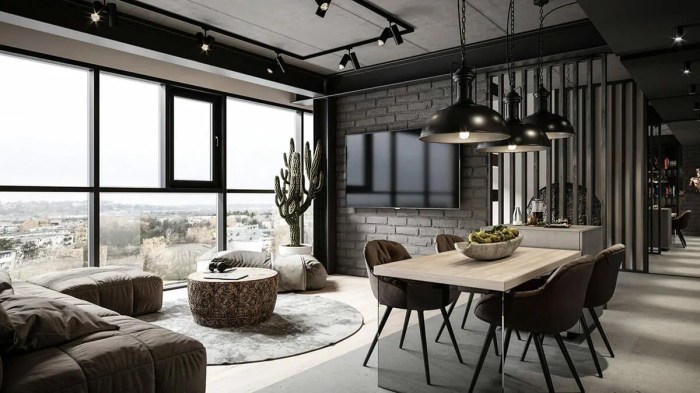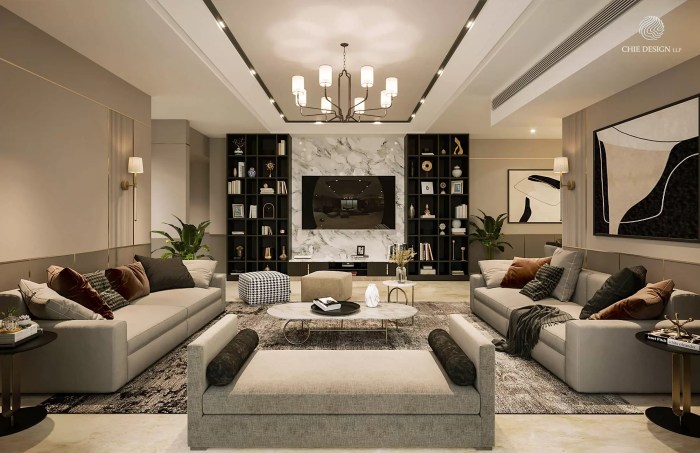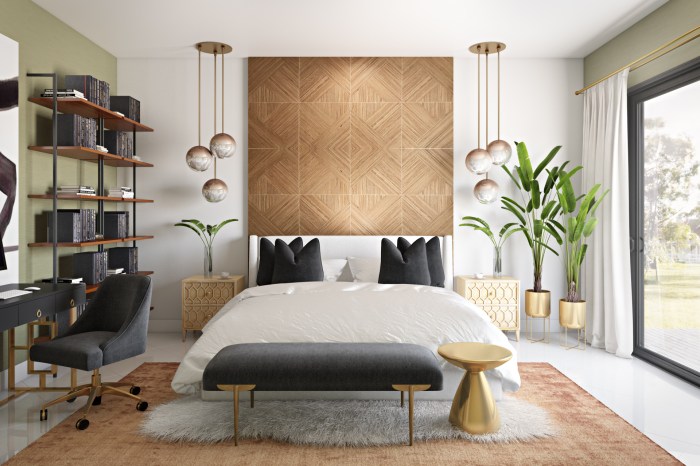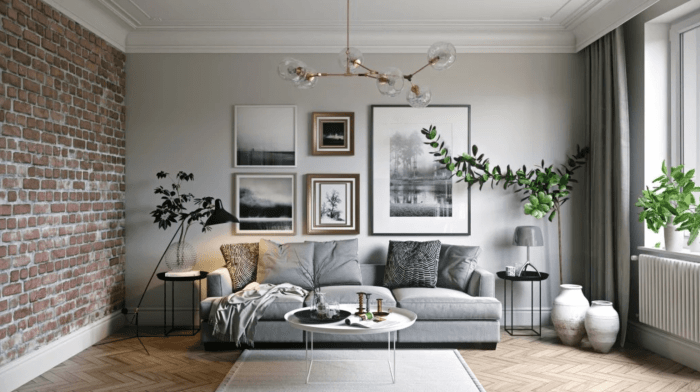
As room decoration design takes center stage, this opening passage beckons readers into a world crafted with good knowledge, ensuring a reading experience that is both absorbing and distinctly original. From the impact on mood and productivity to reflecting personal style, room decoration design is a powerful tool for transforming any space.
Let's dive into the key elements and popular styles to help you elevate your room's aesthetic.
Importance of Room Decoration Design
Room decoration design plays a crucial role in creating a space that is not only visually appealing but also functional and comfortable. A well-thought-out design can transform a room, setting the mood and ambiance for its occupants.
Impact on Mood and Productivity
The design of a room can directly impact the mood and productivity of its inhabitants. For example, a cluttered and disorganized space can lead to feelings of stress and anxiety, hindering productivity. On the other hand, a well-decorated room with soothing colors and comfortable furniture can create a calming environment, boosting creativity and focus.
Reflecting Personal Style and Preferences
Room decoration design is an excellent way to showcase personal style and preferences. Whether through the choice of colors, furniture, or decorative items, the design of a room can reflect the personality and taste of the individual or individuals who inhabit the space.
It allows for self-expression and the creation of a space that feels truly personalized.
Elements of Room Decoration Design

When designing room decorations, several key elements need to be considered to create a cohesive and visually appealing space. These elements include color schemes, lighting, furniture placement, textures, patterns, and accessories.
Color Schemes
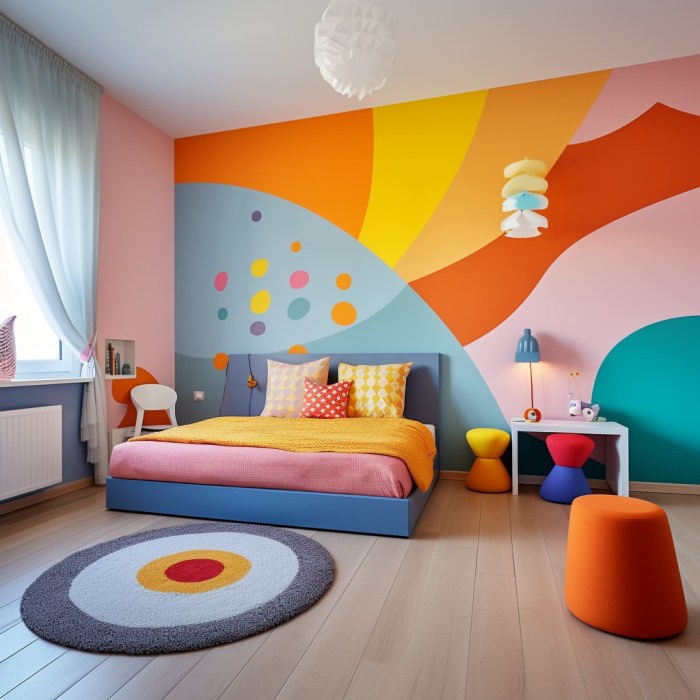
Color schemes play a crucial role in setting the overall mood and atmosphere of a room. Different colors evoke different emotions and can impact the perception of space. It is essential to choose colors that complement each other and the overall design theme of the room.
Lighting
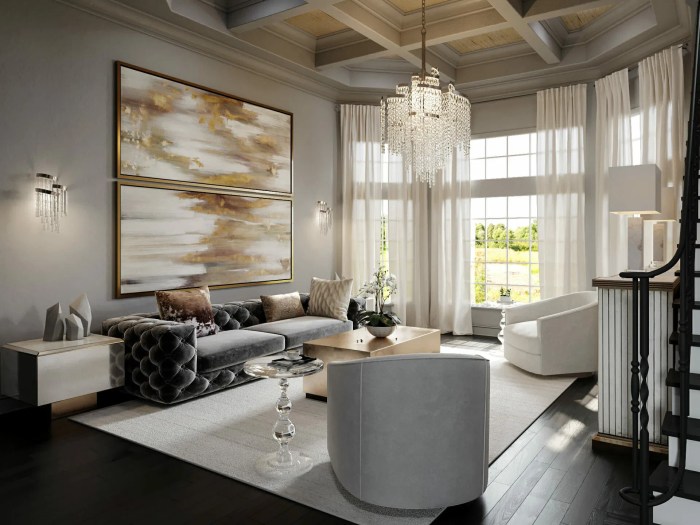
Lighting is another important element in room decoration design as it can affect the ambiance and functionality of the space. Proper lighting can highlight key features, create focal points, and enhance the overall aesthetic of the room. It is essential to consider natural light, artificial lighting fixtures, and the placement of light sources.
Furniture Placement
The placement of furniture can significantly impact the flow and functionality of a room. It is crucial to consider the size of the furniture pieces, traffic flow, and focal points when arranging furniture. Proper furniture placement can maximize space and create a harmonious layout.
Textures, Patterns, and Accessories
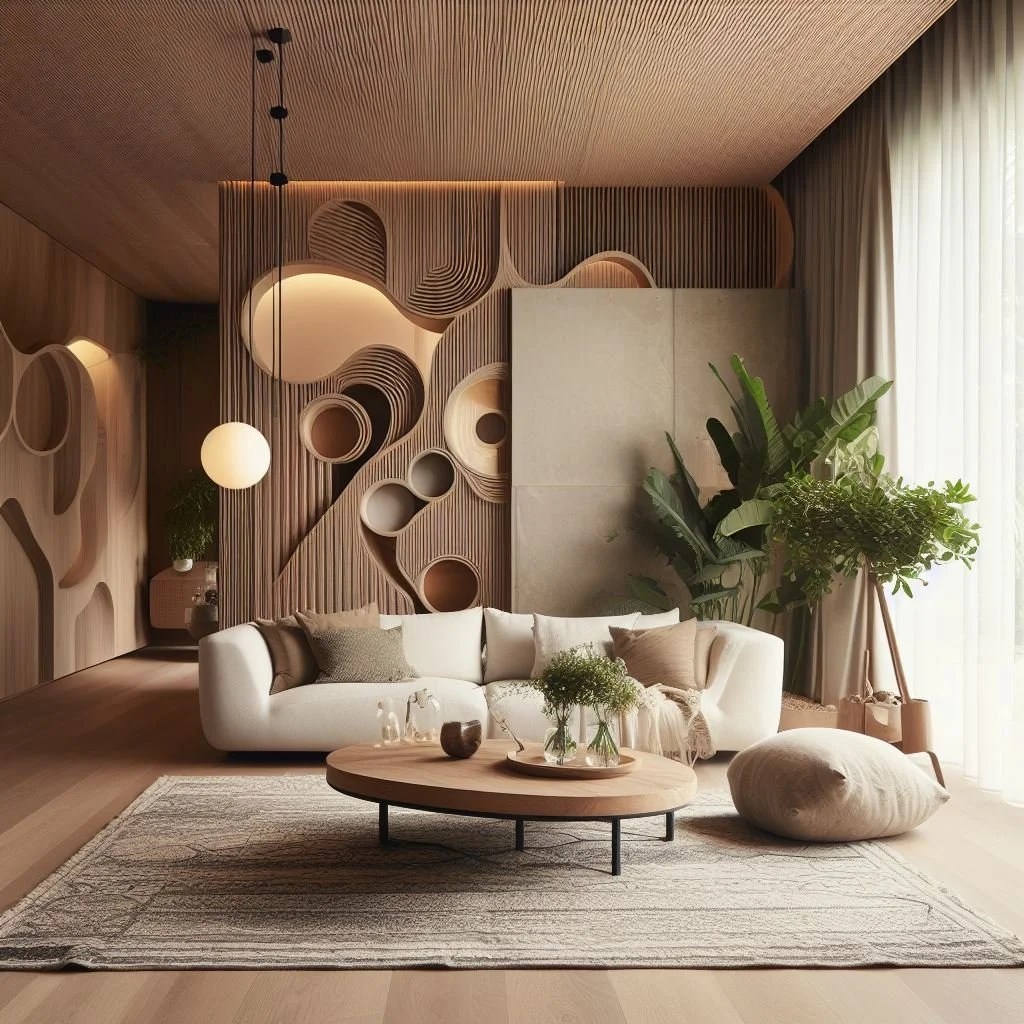
Textures, patterns, and accessories add depth and visual interest to a room. Mixing different textures like wood, metal, and fabric can create a more dynamic space. Patterns can be used to add personality and style, while accessories like artwork, rugs, and pillows can tie the design elements together.
Popular Styles in Room Decoration Design
When it comes to room decoration design, there are several popular interior design styles that people often choose to incorporate into their living spaces. Each style comes with its unique aesthetics and functionality, allowing individuals to express their personalities and create a space that suits their preferences.
Minimalistic Style
The minimalistic style focuses on simplicity, clean lines, and a clutter-free environment. This style often features neutral colors, sleek furniture, and a sense of openness. Minimalistic design is perfect for those who prefer a more modern and streamlined look in their homes.
Bohemian Style
On the other hand, the bohemian style embraces a more eclectic and artistic approach to room decoration. This style incorporates bold colors, patterns, and textures, creating a vibrant and cozy atmosphere. Bohemian design often includes a mix of vintage and global-inspired elements, adding character and charm to the space.
Scandinavian Style
The Scandinavian style is known for its simplicity, functionality, and connection to nature. This style features light colors, natural materials, and a minimalistic approach to furniture and decor. Scandinavian design aims to create a warm and inviting ambiance that is both stylish and functional.
DIY Room Decoration Ideas
Looking to add a personal touch to your room decor? DIY projects are a great way to get creative and customize your space without breaking the bank. From handmade wall art to upcycled furniture, there are endless possibilities to enhance your room decoration through do-it-yourself projects.
Handmade Wall Art
Creating your own wall art is a fantastic way to add a unique and personalized touch to your room. Whether you're into painting, photography, or crafting, there are plenty of options to explore. Consider making a gallery wall with your own artwork or framing meaningful photos to display.
Upcycled Furniture
Give your old furniture a new lease on life by upcycling it with a fresh coat of paint, new hardware, or creative embellishments. From transforming a plain dresser into a statement piece to repurposing pallets into a stylish coffee table, upcycling furniture can completely change the look of your room.
Customized Textile Decor
Add a cozy and personalized touch to your room with DIY textile decor projects. Get crafty with sewing or knitting to create custom throw pillows, blankets, curtains, or even a unique rug. You can choose fabrics, patterns, and colors that match your style and preferences.
Incorporating Technology in Room Decoration
Technology plays a significant role in modern room decoration design, offering innovative ways to enhance the functionality and aesthetics of living spaces. By integrating smart devices, homeowners can create a more comfortable, convenient, and efficient environment. Let's explore how technology can be seamlessly incorporated into room decoration.
Smart Lighting Systems
Smart lighting systems allow users to control the brightness, color, and ambiance of their rooms remotely through smartphones or voice commands. These systems not only provide flexibility in lighting design but also help in energy conservation by adjusting light levels based on natural light conditions and occupancy.
Smart Temperature Control
Smart thermostats enable precise control over the room temperature, ensuring optimal comfort and energy efficiency. By programming temperature settings and integrating with other smart devices, such as sensors and HVAC systems, homeowners can create personalized climate zones for different areas of the house.
Entertainment Integration
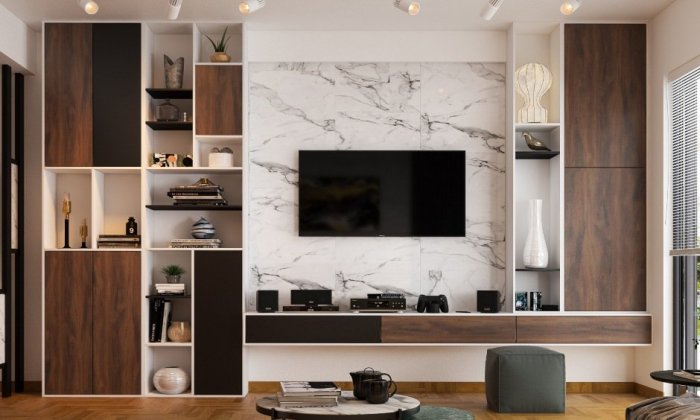
Incorporating technology for entertainment purposes, such as smart TVs, sound systems, and streaming devices, can enhance the overall room experience. Wireless connectivity and voice-activated controls offer seamless access to a variety of multimedia content, transforming traditional entertainment setups into modern, interactive spaces.
Blending Technology with Traditional Decor
To maintain a cohesive design aesthetic, it is essential to blend technology seamlessly with traditional room decoration elements. Concealing wires, choosing devices with sleek and minimalistic designs, and integrating them into existing decor styles can help achieve a harmonious balance between modern technology and classic design elements.
Automation and Integration
Automating routine tasks like adjusting lighting, temperature, and entertainment settings through centralized control systems or smart home assistants can streamline daily activities and enhance the overall living experience. Integration of different smart devices into a unified ecosystem ensures smooth operation and convenience for homeowners.
Final Review
Exploring the world of room decoration design has never been more exciting. From DIY projects to incorporating smart technology, the possibilities are endless. Elevate your space and make a statement with your unique style through thoughtful room decoration design.
Question & Answer Hub
How does room decoration design impact mood and productivity?
Room decoration design can influence mood by creating a space that feels comfortable and inviting, boosting productivity by promoting a positive environment.
What are some key elements to consider in room decoration design?
Key elements include color schemes, lighting, furniture placement, textures, patterns, and accessories.
What are some popular interior design styles to consider?
Popular styles include minimalistic, bohemian, and Scandinavian, each offering unique aesthetics and functionalities.
How can technology be integrated into room decoration?
Smart technology can be used for lighting, temperature control, and entertainment, blending seamlessly with traditional room decoration elements.
What are some budget-friendly DIY room decoration ideas?
DIY projects can include creating custom decor pieces and enhancing room decoration without breaking the bank.